Practical knowledge

Step-by-Step Guides

Clear instructions for composting, sorting, and reducing waste in a Polish urban setting.

Browse by topic:
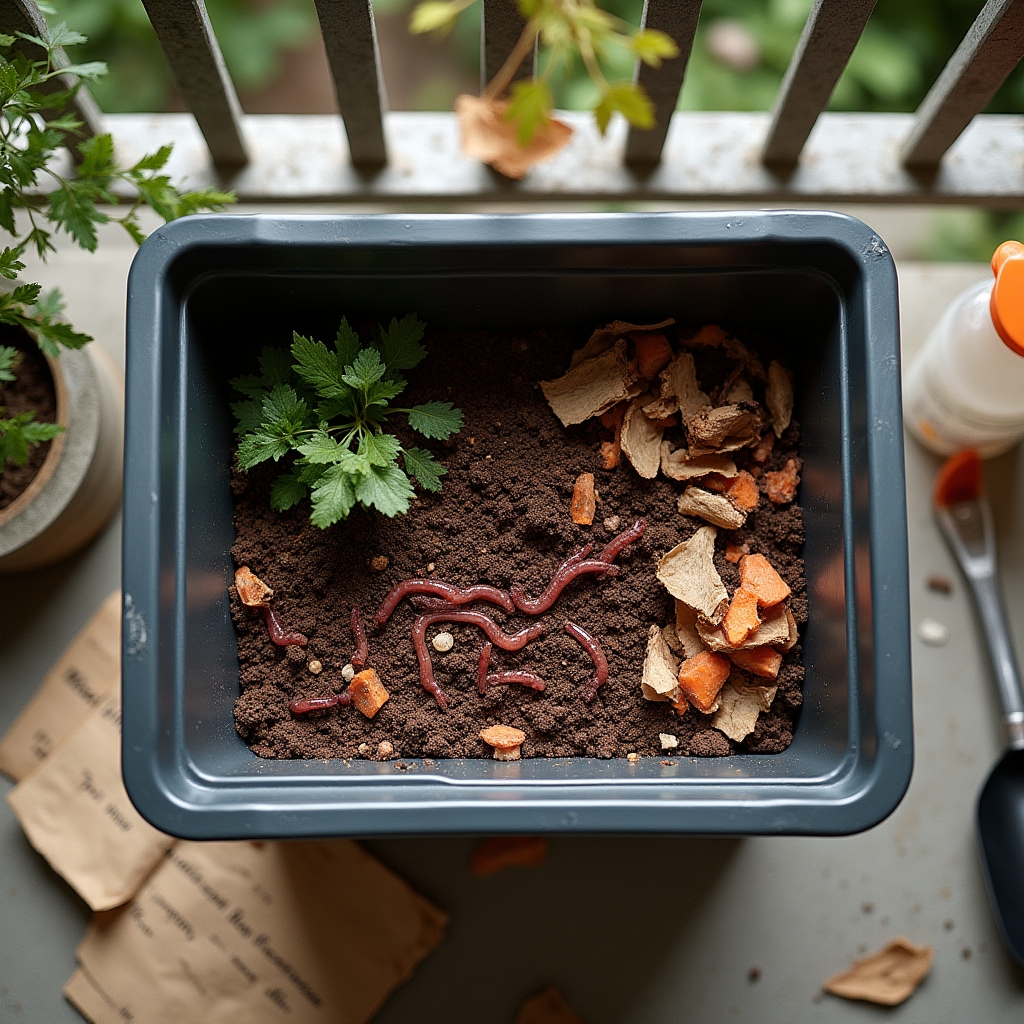
Compact worm composting bin set up on a small urban apartment balcony with organic kitchen scraps

Setting up a worm bin on your balcony

Vermicomposting is one of the most practical options for blok residents. Worms convert kitchen scraps into rich compost within weeks. No outdoor space required. This guide covers choosing a container, setting up the bedding, sourcing worms in Poland, and maintaining the bin through winter.

Steps covered:

  1. Choosing the right container size for your balcony
  2. Preparing bedding from newspaper and cardboard
  3. What to feed and what to avoid feeding
  4. Managing moisture and temperature in Polish winters
  5. Harvesting and using the finished compost
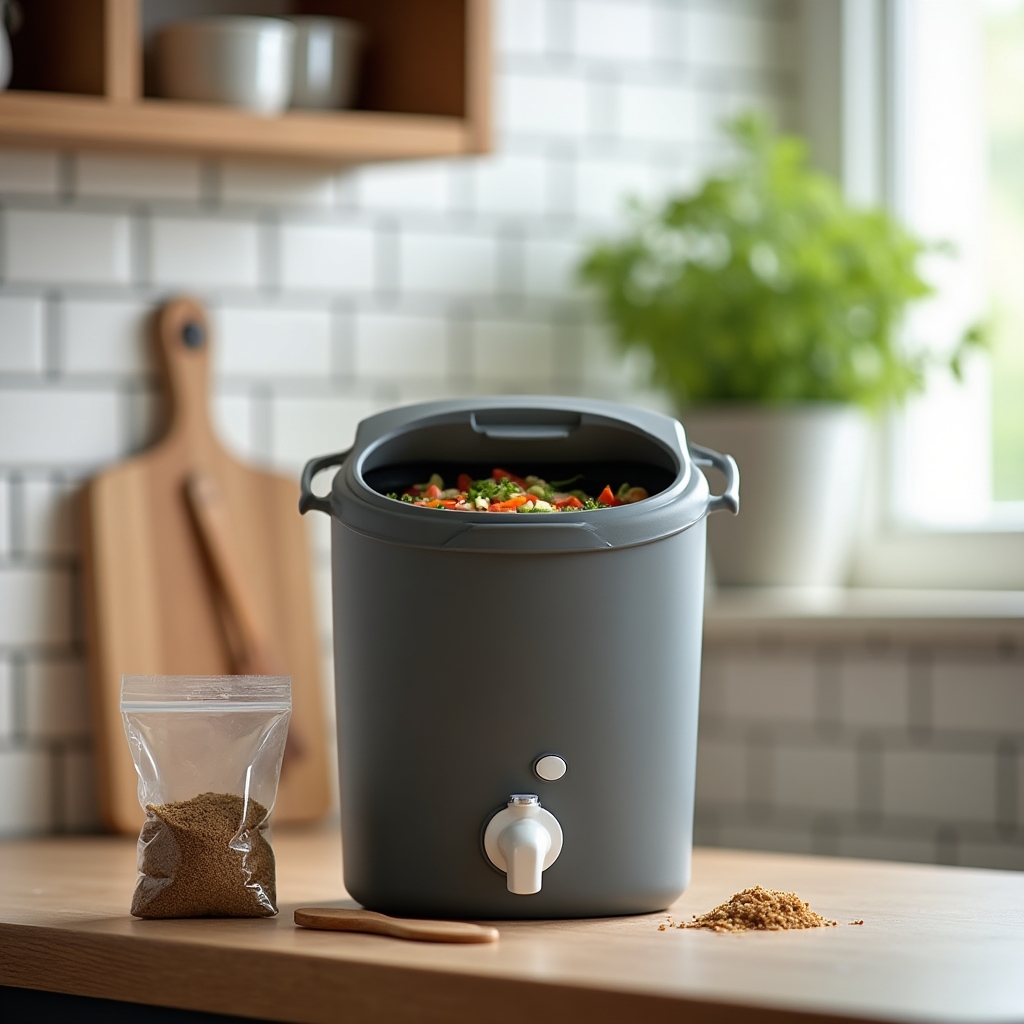
Bokashi fermentation bucket on a kitchen counter with a Polish apartment kitchen visible in the background

The bokashi method for small kitchens

Bokashi ferments food waste rather than composting it in the traditional sense. The system fits under a kitchen counter, handles meat and dairy that worm bins cannot, and produces a liquid fertiliser as a byproduct. We explain how the process works, where to find bokashi bran in Poland, and what to do with the fermented matter afterwards.

Steps covered:

  1. Understanding the fermentation process
  2. Sourcing bokashi bran in Polish shops
  3. Layering and sealing the bucket correctly
  4. Using the bokashi liquid as a plant feed
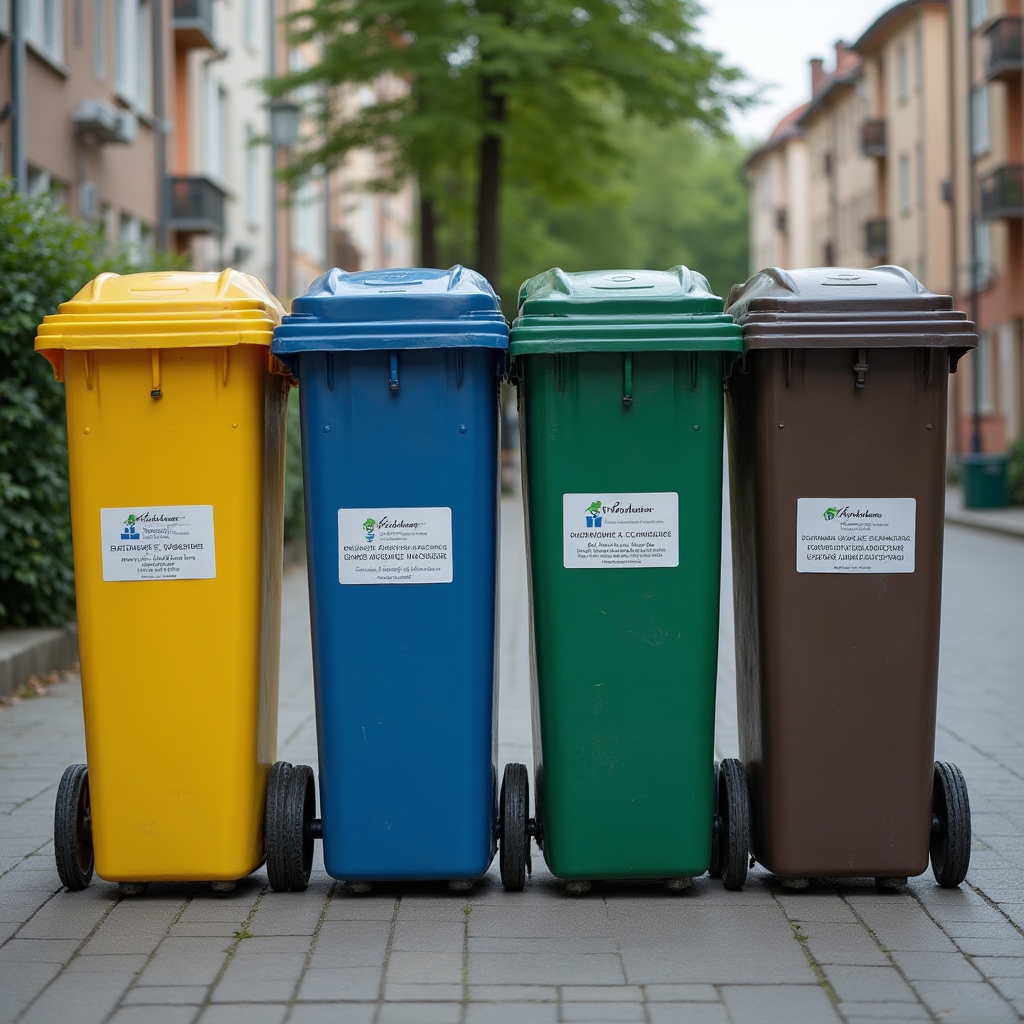
Five coloured recycling bins aligned on a Warsaw street showing the Polish colour-coded sorting system

The five-colour bin system: a plain-language guide

Poland's five bins are yellow, blue, green, brown, and black. Each has specific rules and common exceptions that catch people out. Greasy pizza boxes, composite packaging, broken ceramics. We go through each bin colour, list what goes in, what does not, and why the distinction matters for the sorting process.

Bins covered:

  1. Yellow: plastics and metals
  2. Blue: paper and cardboard
  3. Green: glass
  4. Brown: organic waste
  5. Black: mixed residual waste
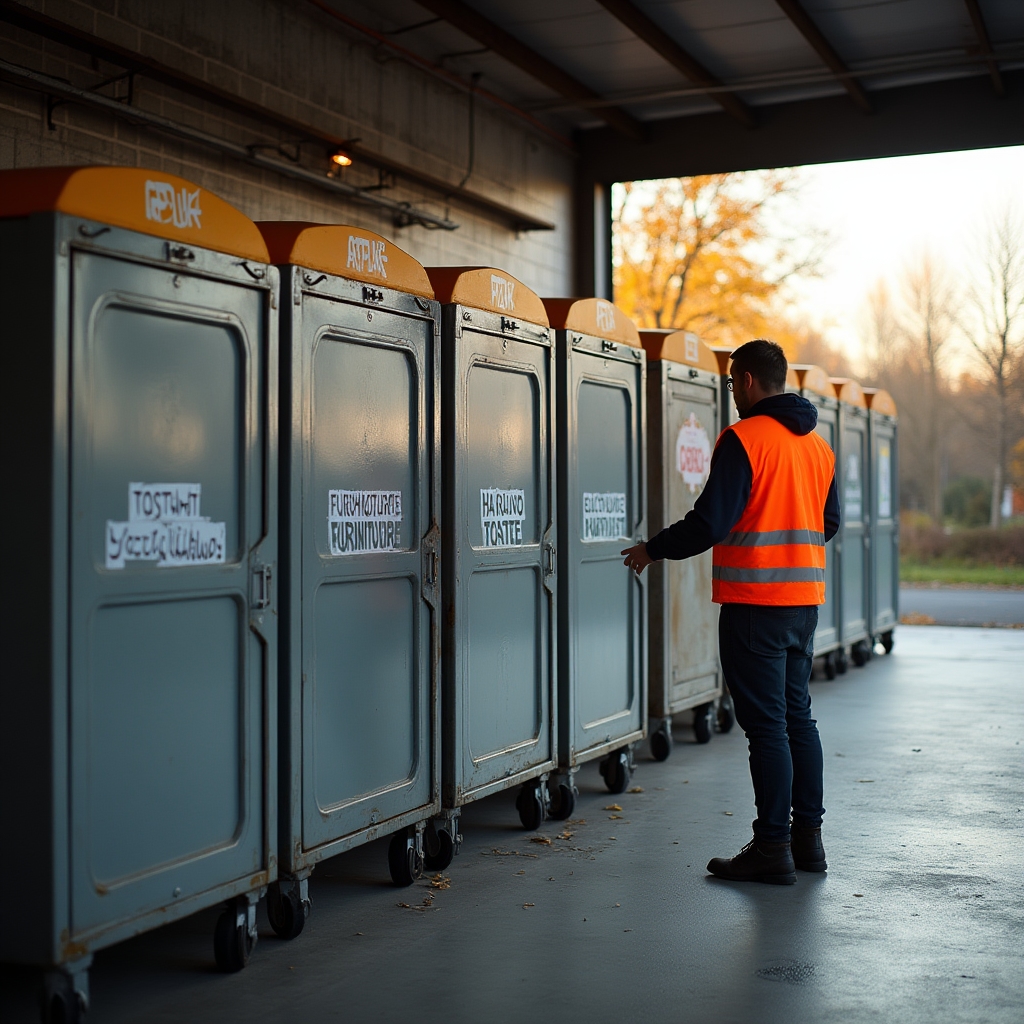
Clean and organised PSZOK waste collection point in Wrocław with clearly labelled containers for different waste types

What is a PSZOK and how to use yours

Punkt Selektywnej Zbiórki Odpadów Komunalnych. Every Polish municipality is required by law to operate at least one. They accept hazardous waste, old electronics, furniture, tyres, medicines, and much more. This guide explains what PSZOK centres take, how to find the one serving your address, and what to bring with you when you visit.

Steps covered:

  1. Finding your PSZOK using the gmina website
  2. What documentation you may need
  3. Which items are free to drop off
  4. Items that require an appointment
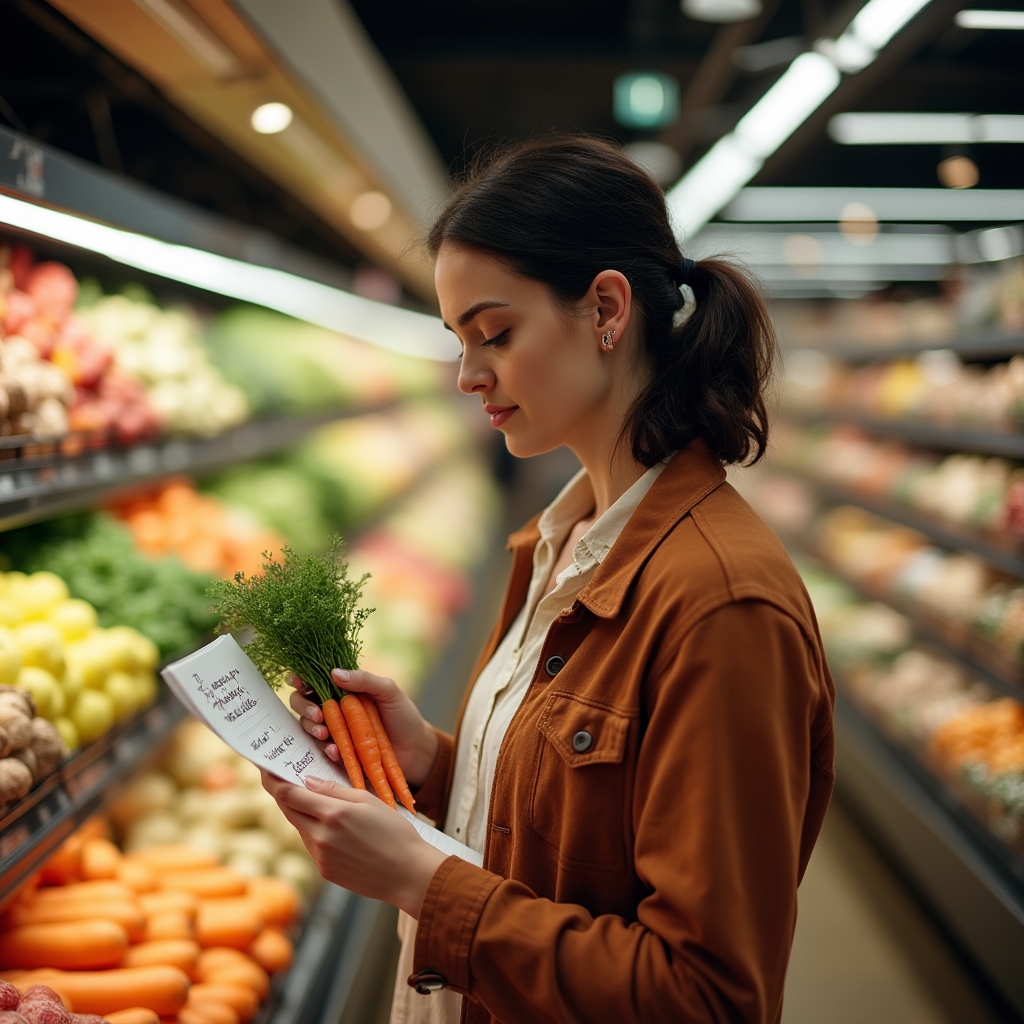
Person reviewing a handwritten shopping list next to fresh vegetables at a Polish supermarket to plan portions and reduce food waste

Reducing food waste at Biedronka and Lidl

Both chains have features that most shoppers overlook. Reduced-price sections with items near their use-by date. Smaller pack sizes that suit one- and two-person households. Understanding the difference between "najlepiej spożyć przed" and "należy spożyć do" on Polish labels. This guide covers practical habits that reduce what ends up in the brown bin.

Topics covered:

  1. Reading Polish date labels correctly
  2. Using the discount sections strategically
  3. Portion planning for urban households
  4. Storage methods that extend shelf life
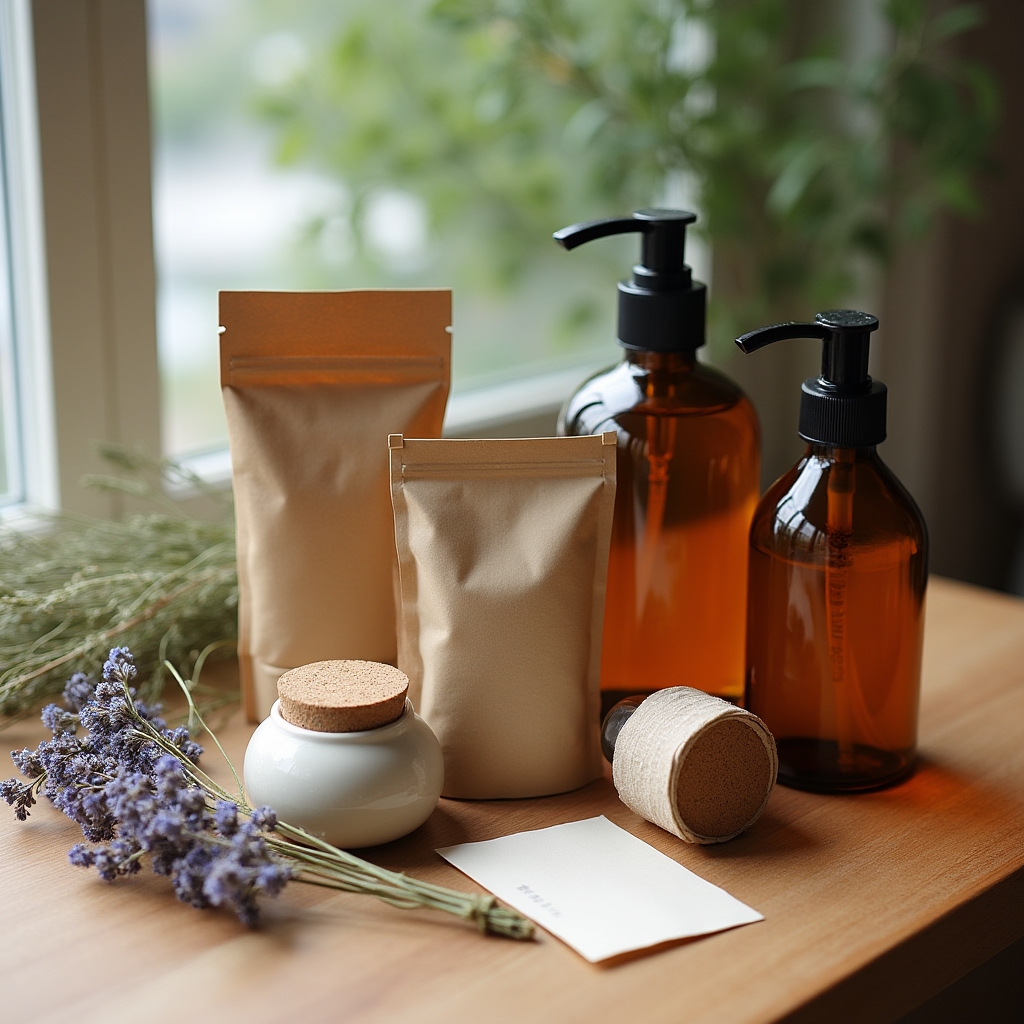
Selection of refillable glass containers and eco-packaging from Polish zero-waste brands displayed on a wooden surface

Polish producers with refillable packaging

Refillable packaging is available in Poland, though finding it requires knowing where to look. This guide maps the Polish producers who offer refill options across cleaning products, personal care, and food categories. We explain how each system works in practice, including whether you need to return the container or purchase a refill pack separately.

Categories covered:

  1. Household cleaning products
  2. Personal care and cosmetics
  3. Food and condiments
  4. Where to buy and how refill systems work